
What to Expect During a Professional Masonry Installation
People seeking what to expect during a professional masonry installation can rely on local contractors to handle the work efficiently, ensuring durable and visually appealing results.
Understanding what to expect during a professional masonry installation can help property owners feel more prepared and confident in their project. Whether considering a new brick patio, retaining wall, or chimney repair, knowing the typical process and stages involved allows for better planning and coordination. Local contractors skilled in masonry work are equipped to handle these projects efficiently, ensuring that each step-from site preparation to finishing touches-is managed with care and expertise. By exploring this topic, property owners can gain insight into how professional masonry services deliver durable, visually appealing results that enhance their property's value and functionality.
As property owners explore their options, it's important to recognize the practical benefits of working with experienced service providers. Professional masonry installation often involves careful assessment of the site, proper material selection, and precise craftsmanship-all areas where local contractors excel. Keeping informed about what to expect during the process can help set realistic expectations and highlight the importance of choosing qualified professionals for the job. Continuing to read can provide valuable guidance on how local masonry experts can bring their expertise to ensure a smooth, successful installation tailored to specific property needs.
- Brick or Block Wall Installation - when homeowners want to add privacy or define property boundaries, local contractors prepare the site and carefully lay each unit for a durable finish.
- Stone Fireplace Construction - for those seeking a custom fireplace, service providers handle material selection and precise assembly to ensure safety and aesthetic appeal.
- Patio or Walkway Paving - when enhancing outdoor living spaces, local pros prepare the foundation and lay pavers to create a stable, attractive surface.
- Retaining Wall Building - to manage soil erosion or create level areas, contractors assess site conditions and construct sturdy walls tailored to the landscape.
- Chimney Repair or Restoration - for maintaining safety and function, service providers inspect and restore masonry structures with appropriate techniques and materials.
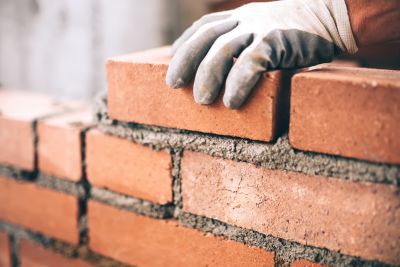
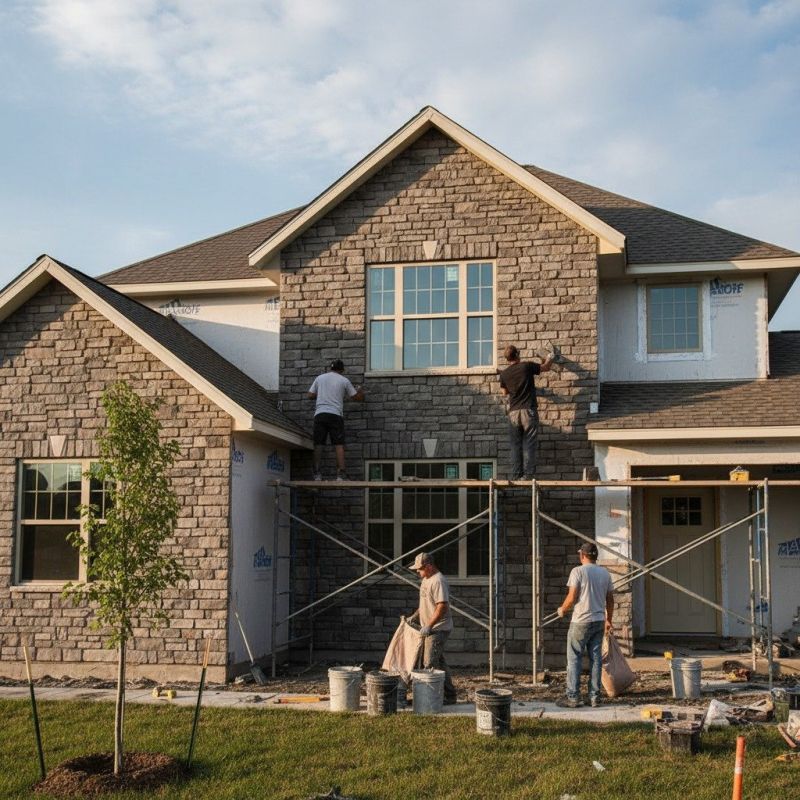
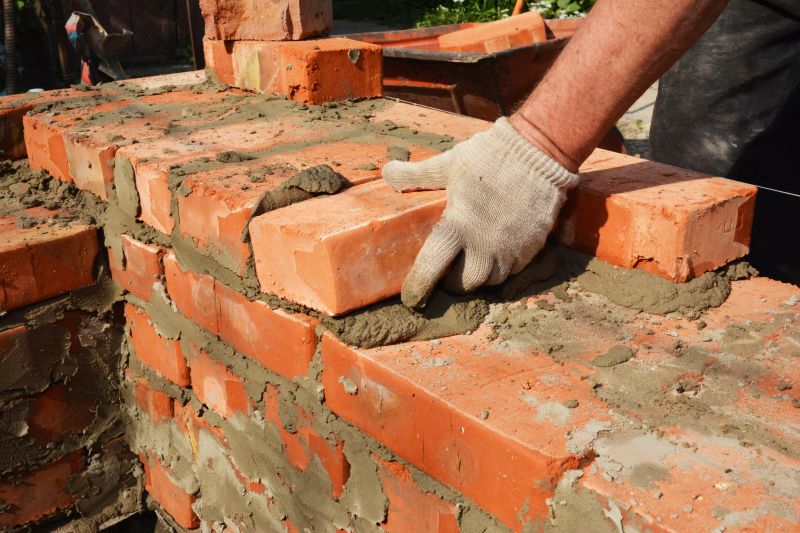
When people search for what to expect during a professional masonry installation, they are often seeking a clear understanding of the process involved in building or repairing structures like walls, patios, or fireplaces. This topic typically relates to projects that require durable, aesthetically appealing masonry work, whether for new construction or renovation. Homeowners may be planning to add a new feature to their property or restore an existing one, and they want to know how the installation will unfold, what steps are involved, and what kind of results they can anticipate. Understanding these details helps homeowners feel more prepared and confident when engaging with local contractors, ensuring they know what to look for and what questions to ask during the process.
Masonry installation often connects to various property plans and common problems homeowners face. For instance, some may seek to enhance curb appeal with a stone veneer or brick facade, while others need to repair crumbling retaining walls or replace worn-out walkways. It’s also common for property owners to want to add functional features like outdoor kitchens, fire pits, or driveway borders. These projects can involve addressing issues such as poor drainage, structural instability, or aesthetic mismatches. Knowing what to expect during a professional masonry installation can help homeowners plan effectively, understand the scope of work, and ensure that the finished project resolves existing problems while meeting their design preferences.
The types of properties where masonry services are frequently needed include residential homes, multi-family buildings, and some commercial properties. In residential settings, masonry work often involves patios, chimneys, steps, and decorative walls that define outdoor spaces. Multi-family properties may require more extensive repairs or upgrades to exterior facades or structural elements. Commercial properties might need masonry for aesthetic facades, retaining walls, or boundary enclosures. Regardless of the property type, local masonry installation professionals are experienced in handling different scales and styles of projects. They can adapt their approach to match the property’s architecture and the homeowner’s goals, ensuring that the installation process aligns with the specific needs of each property.
During a professional masonry installation, homeowners can generally expect a series of standard procedures designed to ensure quality results. It begins with a thorough assessment of the site and project requirements, followed by preparation work such as clearing the area and laying a proper foundation if needed. The actual installation involves carefully placing bricks, stones, or blocks in a pattern that ensures stability and visual appeal. Throughout the process, professionals pay close attention to leveling, alignment, and mortar application to achieve a durable and attractive finish. Once the work is complete, there may be some minor cleanup, and the finished structure will be inspected to confirm it meets the expected standards. Understanding these stages helps homeowners anticipate what will happen during the project and recognize the importance of experienced local pros in delivering a successful outcome.
Bricklaying projects - bricklaying involves similar skills and tools as masonry installation, often requiring precise measurements and careful placement of bricks or blocks for durable results.
Stone veneer installation - applying stone veneers demands knowledge of surface preparation and layering techniques comparable to those used in professional masonry work.
Fireplace and chimney construction - building or restoring fireplaces and chimneys involves masonry skills, including mixing mortar and working with heavy materials in a structured process.
Patio and walkway paving - creating paved surfaces requires planning, leveling, and the use of similar tools as those used in masonry installations for stability and aesthetic appeal.
Retaining wall building - constructing retaining walls involves understanding load-bearing principles and precise stone or block placement, akin to masonry installation planning.
Concrete block wall construction - building walls with concrete blocks shares foundational techniques, including mixing and applying mortar, with standard masonry installation processes.
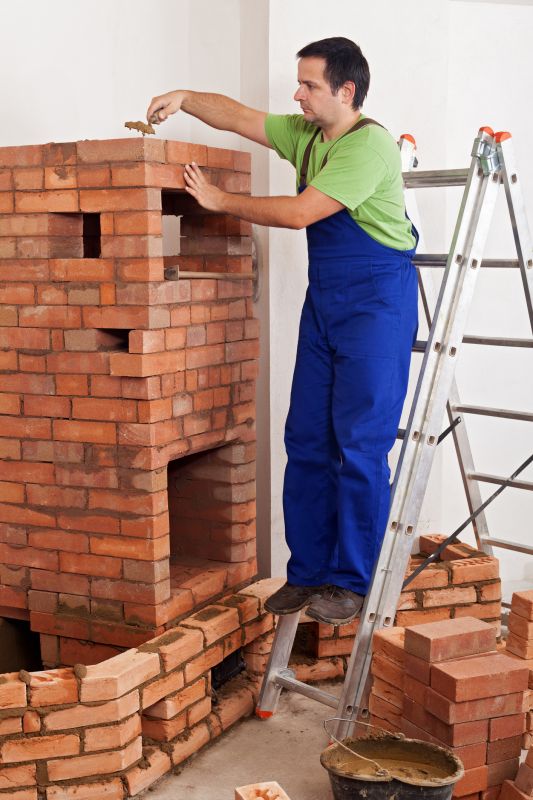
When comparing local contractors for masonry installation services, it is important to consider their experience with similar projects. Homeowners should inquire about the types of masonry work the service providers have completed in the past, ensuring they have a solid track record handling projects comparable in scope and complexity. A contractor’s familiarity with specific materials, design styles, and installation techniques can influence the quality and durability of the finished work, making this a key factor in the decision-making process.
Clear, written expectations are essential when evaluating potential service providers. Homeowners should seek detailed proposals or work agreements that outline the scope of work, materials to be used, and the estimated process for the installation. Transparent communication about what the project involves helps prevent misunderstandings and ensures everyone is aligned on the goals and deliverables. Reputable local contractors often provide comprehensive written descriptions, which can serve as a useful reference throughout the project.
Reputation and communication are also critical components when choosing a masonry installation service. Homeowners are encouraged to review references or testimonials from previous clients to gain insight into the contractor’s professionalism, reliability, and quality of work. Good communication practices, such as prompt responses to questions and clear updates on progress, contribute to a smoother project experience. Selecting a service provider known for open dialogue and trustworthy references can help ensure the project proceeds as expected and results in a successful outcome.
Property owners often search for what to expect during a professional masonry installation when they are planning practical projects around their homes and businesses. Local pros provide Masonry Installation services for everyday jobs and straightforward project options.
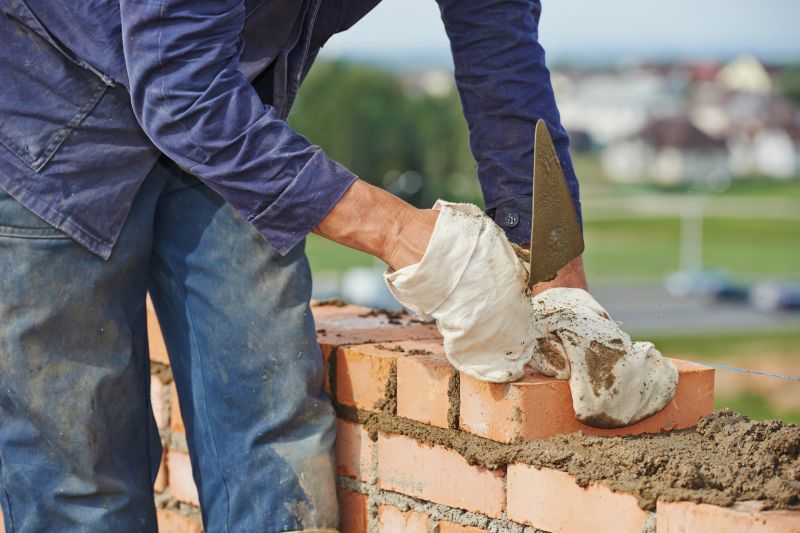
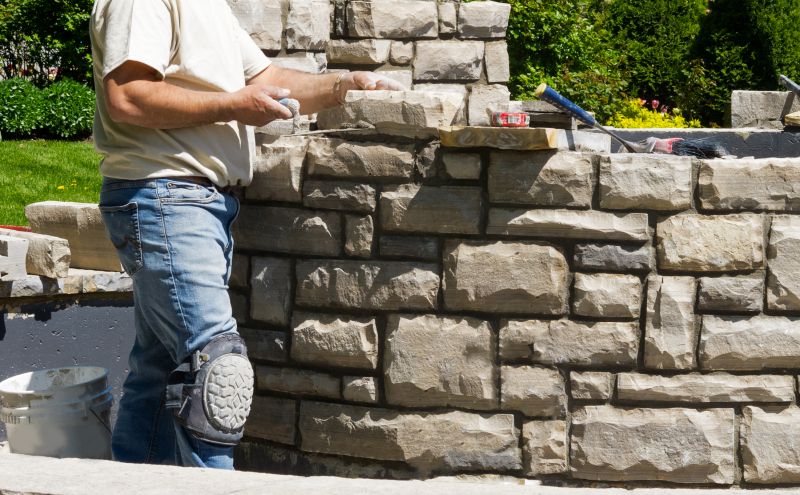
During a professional masonry installation, property owners can typically expect a process that involves careful planning and preparation. Local contractors often start by assessing the area, discussing design options, and preparing the site to ensure a stable foundation. This initial stage may include setting up temporary barriers or protective measures to keep the workspace organized and safe. Once the groundwork is complete, masons will methodically lay bricks, stones, or blocks according to the agreed-upon design, paying close attention to alignment and levelness to achieve a durable and visually appealing result.
Throughout the installation, property owners might notice that the work progresses in stages, with periods of active masonry followed by curing times for mortar or concrete. Experienced service providers understand the importance of proper curing to ensure long-lasting strength. Depending on the scope of the project, there may be minor disruptions around the property, but a professional team will work efficiently to minimize inconvenience. When the work is finished, the site is typically cleaned up, leaving behind a finished structure that enhances the property's appearance and functionality.
What should I expect during a professional masonry installation? During a masonry installation, local contractors typically prepare the site, ensure proper measurements, and carefully lay each brick or stone according to design specifications. They may also use mortar and other materials to secure the masonry components, resulting in a durable finished product.
Will I see the entire process of the masonry work? While homeowners usually observe the initial site preparation and the final touches, most of the detailed work occurs behind the scenes as skilled masons carefully execute each step to ensure quality and precision.
Are there any disruptions or mess during the installation? Some minor disruptions or debris may occur during masonry installation, but experienced local contractors typically manage the workspace efficiently to minimize inconvenience and keep the area tidy.
What kind of finishing touches are included during a masonry installation? Finishing touches may include cleaning excess mortar, smoothing surfaces, and inspecting the work to ensure it meets quality standards, all performed by the masonry professionals to achieve a polished look.
How do local service providers ensure the quality of a masonry installation? Local contractors use their expertise and attention to detail throughout the process, following best practices to deliver a sturdy, well-constructed masonry feature that meets the project’s specifications.
Site preparation - Property owners should expect the area to be cleared and leveled to ensure a stable foundation for the masonry work, with local contractors handling this step efficiently.
Material selection - Choosing the right bricks, stones, or blocks is essential, and local service providers can offer guidance on suitable options for durability and style.
Installation process - During the project, property owners can anticipate skilled masons carefully laying each unit, paying attention to alignment and spacing for a professional finish.
Cleanup and finishing - After installation, local pros typically clean the site and apply any necessary finishing touches to ensure the structure looks polished and is ready for use.
If you are thinking about what to expect during a professional masonry installation for a property, this guide is meant to help you understand this topic, the typical project types, and how different options might fit your plans.
When you are ready, you can use the quote form on this page to share a few details about your project. From there, local pros can review the basics and follow up with options that match what you have in mind.